Political Compass Test
Find your place on the compass, and your political type.
36 statements, about 5 minutes. Your answers place you on two axes, economic and social, and land you in one of nine political types. Scored in your browser; nothing is stored and there's no sign-up.
- 36 statements
- About 5 minutes
- Free, no sign-up
Statement 1 of 36
Economic
Healthcare should be paid for mainly through taxes rather than private insurance.
What is this asking?
Whether a basic service should be shared by everyone through the state or bought individually.
How this political test works
Answer 36 statements
Agree or disagree on a five-point scale. Each statement has a short note on what it's really asking.
Get your point on the compass
Your answers give an economic score and a social score, each from −100 to +100. Together they place one point on the compass.
Meet your type, then share it
The compass is split into nine regions, one per type. Your result is a link that opens for anyone, plus a card you can save.
The nine political types
Each type is one region of the compass, named after something you'd find on a sea chart. The plain label underneath says which political tradition it sits closest to. So it works as a political identity test too: you come away with a name, not just two numbers.

The North Star
Progressive Left
Equality and personal freedom, both. Society could be far better than it is.
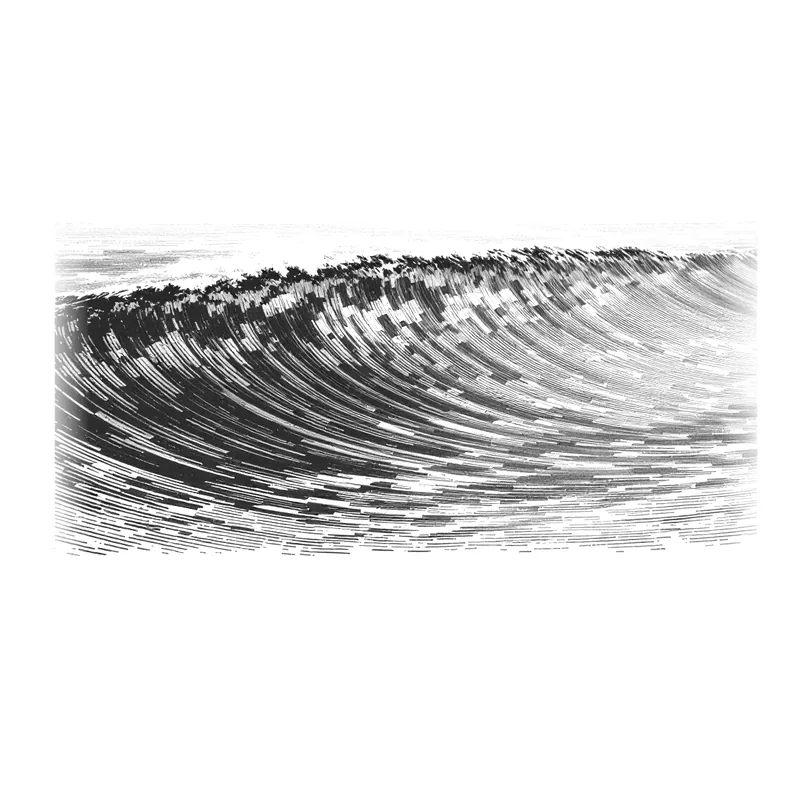
The Open Sea
Civil Libertarian
Above all, don't be fenced in: privacy, speech, living your own life. Moderate on the economy.

The Trade Wind
Libertarian
Free markets and free people. The smaller the government, the better.

The Lighthouse
Social Democrat
Markets, yes, but healthcare, schools and a safety net are paid for together.
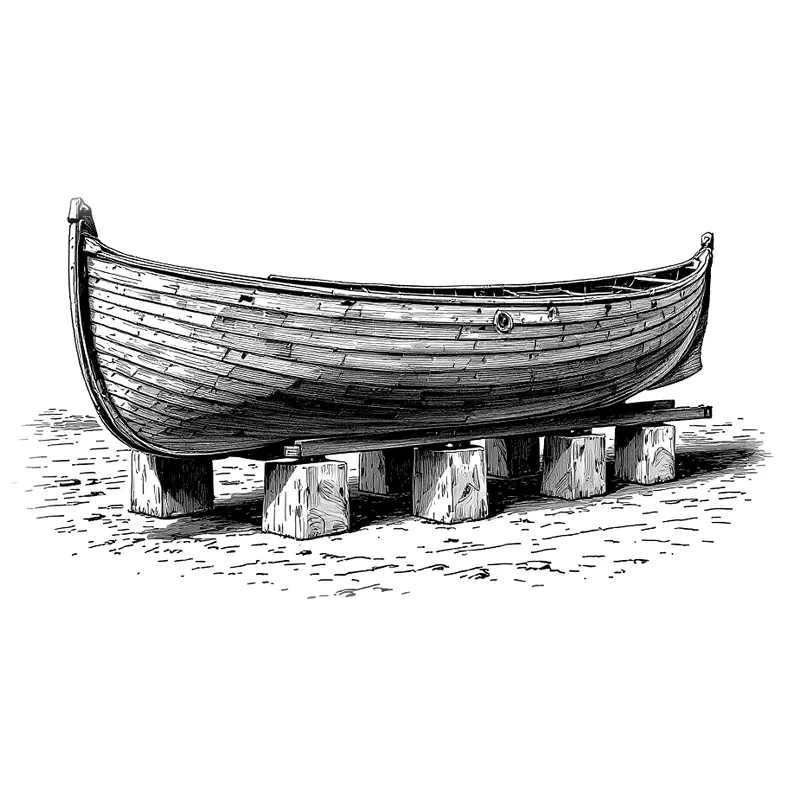
The Keel
Centrist
Leans on neither side. Takes each issue as it comes.
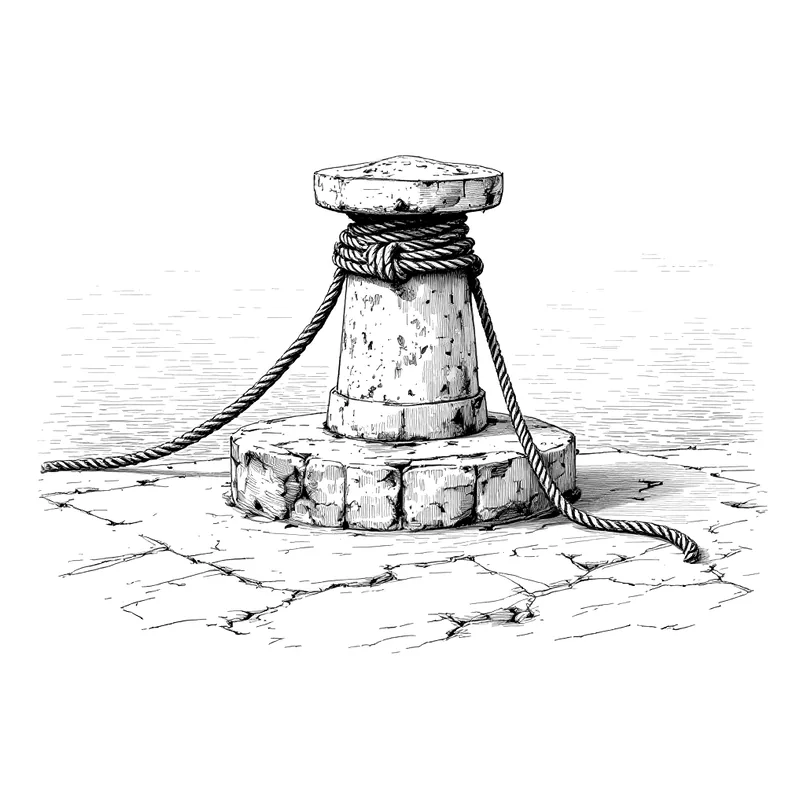
The Harbor
Market Liberal
Trusts markets and low taxes. Not radical on social questions.

The Seawall
Statist Left
A strong state to secure equality and order.

The Watchtower
Order-First Communitarian
Safety, order and community come first. Moderate on the economy.
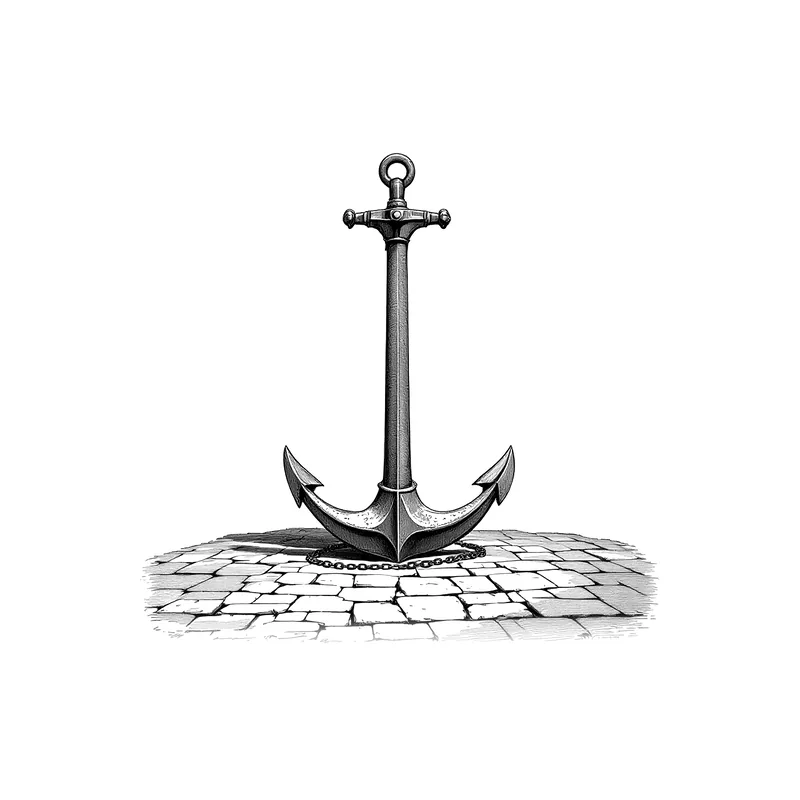
The Anchor
Traditional Conservative
Tradition, family and nation. A market economy, and change that comes slowly.
The North Star
Progressive Left
Equality and personal freedom, both. Society could be far better than it is.
The Open Sea
Civil Libertarian
Above all, don't be fenced in: privacy, speech, living your own life. Moderate on the economy.
The Trade Wind
Libertarian
Free markets and free people. The smaller the government, the better.
The Lighthouse
Social Democrat
Markets, yes, but healthcare, schools and a safety net are paid for together.
The Keel
Centrist
Leans on neither side. Takes each issue as it comes.
The Harbor
Market Liberal
Trusts markets and low taxes. Not radical on social questions.
The Seawall
Statist Left
A strong state to secure equality and order.
The Watchtower
Order-First Communitarian
Safety, order and community come first. Moderate on the economy.
The Anchor
Traditional Conservative
Tradition, family and nation. A market economy, and change that comes slowly.
What the two axes measure
This is a political spectrum test with two dimensions, not one. A single left–right line can't tell apart someone who wants a big state and someone who wants almost none, if both are on the left.
Economic: left to right
Left means equality and shared provision: public services, redistribution, strong unions. Right means markets and private choice: lower taxes, less regulation, private ownership.
Social: libertarian to authoritarian
Libertarian means personal freedom and cultural openness. Authoritarian means order, tradition and national identity, with more power for the state to enforce them. The social score is built from four parts: personal freedom, state power, tradition, and nation and immigration.
These two dimensions are the ones political scientists most often use to place parties; the Chapel Hill Expert Survey scores European parties on the same pair. A third reading, trust in institutions, is shown separately on your result. It doesn't change your type.
How this differs from The Political Compass
The Political Compass made the two-axis chart famous. It gives you a point on the chart. This political ideology test uses the same two-axis idea, which is common in political science, but everything else is our own:
- Our own 36 statements, written for this test.
- A named type with a plain-language label, not just a point.
- The two types closest to you, and how many points away each one is.
- A separate reading for trust in institutions.
- A result link that reopens your result for anyone you send it to.
We are not affiliated with The Political Compass or Pace News Ltd.
How the questions were made
Balanced wording. Each axis has 12 statements, and so does the trust reading. Half are worded so that agreeing moves you one way, half the other way, which cancels out the habit of agreeing with everything.
Principles, not policies. Statements ask what you think should be true in general, not whether your country should do more or less of something than it does now. People in different countries start from different places.
No names. Statements don't mention any country's parties, politicians or laws, so the test works wherever you live.
Borrowed ideas, our own words. What each axis covers follows the Chapel Hill Expert Survey's definitions of economic left–right and of its libertarian–traditional scale. The trust reading draws on research into anti-establishment attitudes and on the institutions that trust surveys ask about. Every statement is written for this test.
Equal bands. Scores run from −100 to +100. Each axis is cut into three equal bands, and three bands times three bands gives nine types. The number came out of the method; it wasn't picked to sound good.
What we've checked so far. Before launch we scored the manifestos of nine European parties, one per type, against where a survey of political scientists places them. The test kept the experts' order, but only three landed in the expected type: parties in the economic center came out left. Against recent US national polls, a majority-view American lands at 17 toward the left, inside the middle band. No outside researcher has checked this test, and we aren't political scientists ourselves. After launch we plan a voluntary, anonymous survey and will publish the results.
Common questions
Is this the official Political Compass test?
No. The Political Compass is a separate website run by Pace News Ltd. This is an independent political compass test with its own statements and nine named types, and we're not affiliated with them.
Is this a liberal or conservative test?
It can answer that, and a bit more. "Liberal" and "conservative" each bundle economic and social views, and the bundle differs from country to country. This test scores the two separately, so you can land left on the economy and traditional on social questions, or the other way around.
How long does this political quiz take?
There are 36 statements and one quick attention check that isn't scored. Most people finish in about five minutes.
Are my answers stored?
No. They're scored in your browser and never leave it. Your progress is saved on your own device so you can pick up where you left off, and you can clear it at any time.
What does it mean if I'm near the edge of a type?
Types are regions on a map, not fixed boxes. If you're within 10 points of a border, your result tells you which type is next door and how far away it is.
Is the test biased?
We've tried hard for it not to be: every axis has as many statements worded one way as the other, and none name a party or politician. It hasn't been externally validated, and we say so.
What's in a shared result link?
Only the test version and your scores: economic, social, trust, and the four parts of the social score. Your answers to individual statements aren't in the link.